Opera has been captivating audiences for over four centuries. Yet for many people, it remains one of those art forms that feels just out of reach — too grand, too foreign, or simply too long. The truth is, a night at the opera can be one of the most thrilling and emotionally rich experiences the performing arts have to offer.
A feast for the senses
Opera combines live orchestral music, vocal performance, theatre, costume, and set design into a single, seamless event. Few other art forms bring together so many creative disciplines at once. A world-class soprano hitting a high C in a 19th-century Italian opera house, surrounded by elaborate staging and a full orchestra, creates an atmosphere that no recording can fully replicate.
The voice is at the heart of it all. Operatic singers spend years training to project their voices across vast auditoriums without amplification — a feat that, once witnessed live, is genuinely astonishing. Whether it is the warmth of a mezzo-soprano or the power of a dramatic tenor, the human voice in full flight is a remarkable thing.
You don't need to be an expert to enjoy it
One of the most persistent myths about opera is that you need to understand it to appreciate it. You don't. Many major opera houses provide surtitles — translated text projected above the stage — so language is rarely a barrier. More importantly, the emotions conveyed through music transcend language entirely. Grief, jealousy, love, and longing come through clearly whether the libretto is in Italian, German, or Russian.
For first-time attendees, starting with well-known works is a sensible approach. Verdi's La Traviata, Puccini's La Bohème, and Mozart's The Magic Flute are consistently popular for good reason — their melodies are memorable, their stories are engaging, and their emotional arcs are easy to follow.
The social experience
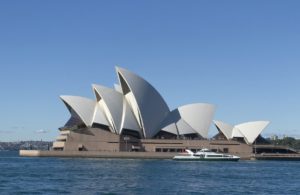
Going to the opera is also a social occasion. Dressing up, arriving early for a pre-show drink, discussing the performance during the interval — these rituals add to the sense that an evening at the opera is something genuinely special. Many opera houses are architecturally stunning in their own right, adding to the overall atmosphere before the curtain even rises.
It is worth noting that opera audiences are far more diverse than the old stereotypes suggest. Opera companies across the UK and Europe have worked hard to broaden access, offering student discounts, digital streams, and outdoor performances that make the art form more accessible than ever before.
A living, evolving art form
Opera is not frozen in the past. Contemporary productions regularly reinterpret classic works in bold and unexpected ways, placing familiar stories in modern settings or reimagining their political contexts. New operas continue to be written and performed, tackling subjects ranging from climate change to personal identity. The Royal Opera House, English National Opera, and Glyndebourne Festival all programme a mix of traditional and contemporary works throughout the year.
For those willing to give it a chance, a night at the opera offers something increasingly rare — a live, shared experience that demands your full attention and rewards it generously.